The “DNA” of Your Metal: Microstructural Evaluation
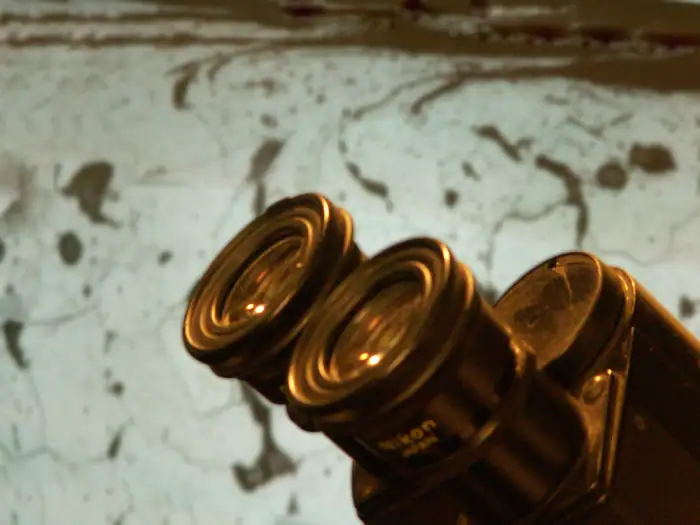
Sometimes the only way to solve a materials problem is to look beneath the surface. Metallography is the science of examining the internal structure of metals and alloys using optical and electron microscopy. It reveals how a material was processed, how it was heat-treated, and whether internal defects are jeopardizing performance.
APL’s metallographic department utilizes state-of-the-art image analysis instrumentation to provide quantitative data that goes beyond a simple visual check, helping you predict performance and validate quality.
Why Metallography Matters
- Confirms heat treatment and microstructure meet design intent
- Identifies anomalies that drive cracking, wear, and poor performance
- Supports weld qualification, process development, and QC programs
- Strengthens root-cause investigations with direct structural evidence
Metallographic Capabilities
Microstructure Evaluation
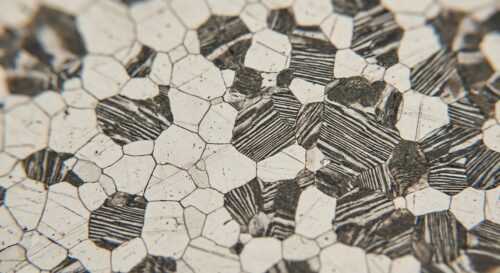
We identify phases, carbide species, and general structural integrity to confirm that the material’s processing history aligns with your design intent.
Grain Size & Phase Evaluation
Using ASTM methods, we determine grain size, a critical factor that directly correlates to a material’s strength, ductility, and fatigue life.
Inclusion Content
We assess the cleanliness of steel by rating inclusion content, identifying potential weak points or “stress risers” in the material matrix.
Case Depth & Decarburization
For heat-treated parts, we precisely measure the depth of the hardened case and check for surface carbon loss (decarburization) using microscopic and microhardness profile techniques.
Cast Iron Graphite Evaluation
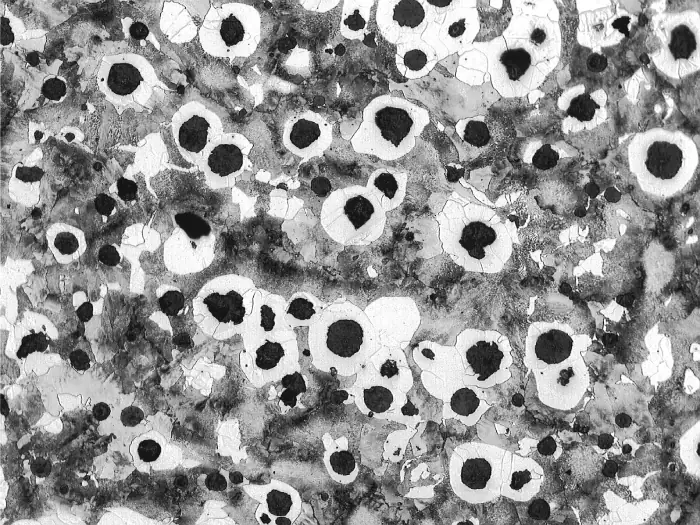
We evaluate nodularity and graphite distribution in ferrous castings, ensuring the casting process was controlled and the material meets ductility requirements.
Plating & Coating Evaluation
We measure plating thickness and integrity to ensure your components meet corrosion protection and dimensional specifications.
Macroetch/Microetch
Macroetch and microetch examinations reveal weld structure, flow lines, segregation, cracks, and other features.
Image Analysis Support
Quantitative tools may be used for coating thickness, nodularity, grain boundary detection, and other measurements when needed.
Sample Requirements
Metallography requires specific sectioning and preparation. If you have questions about where to cut, how to preserve evidence, or what size sample is ideal, contact us before submitting.